
 Ayodhya
, Uttar Pradesh
Ayodhya
, Uttar Pradesh
Ayodhya
Discover the rich heritage and spiritual significance of Ayodhya. Plan your visit to this cultural gem with our tailored itineraries and travel tips for an unforgettable experience.
About Ayodhya
Overview, what makes it special, and planning essentials.
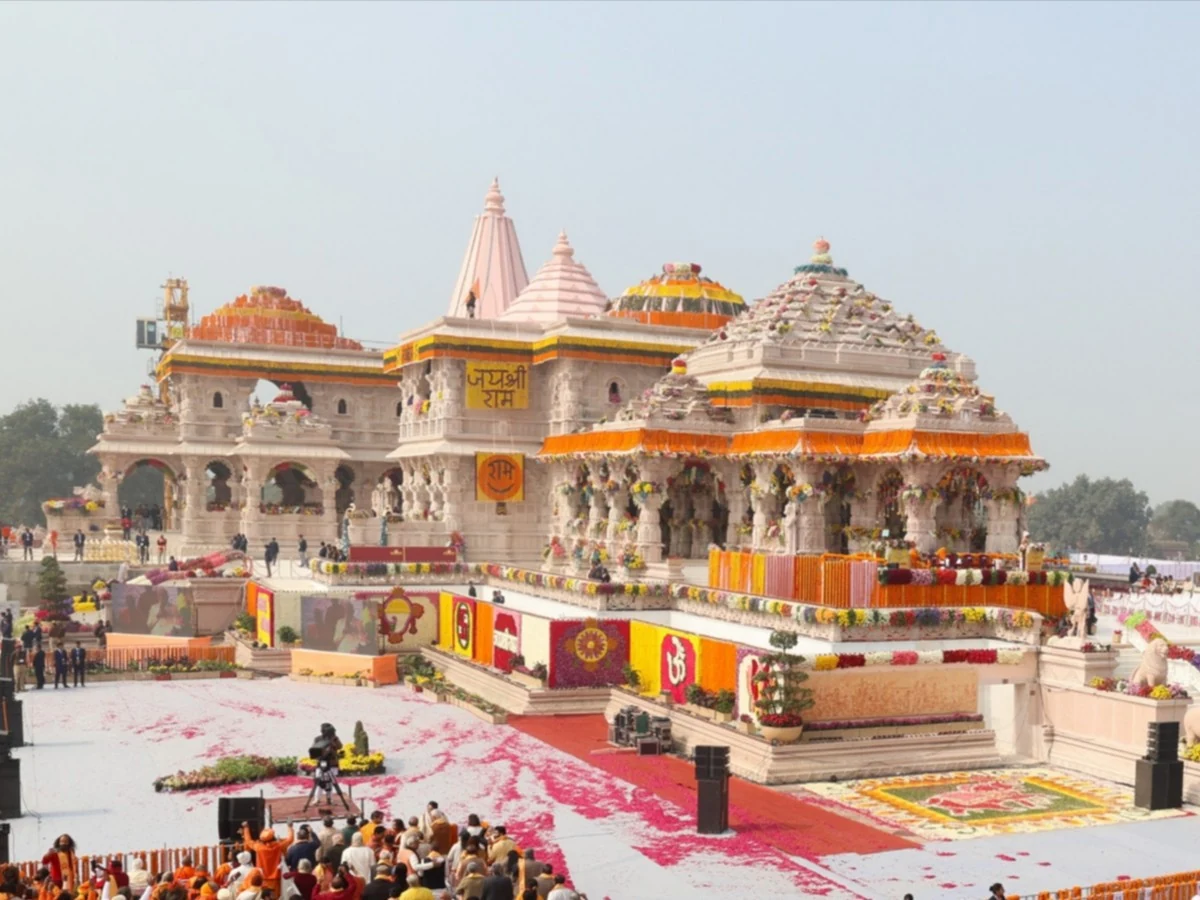
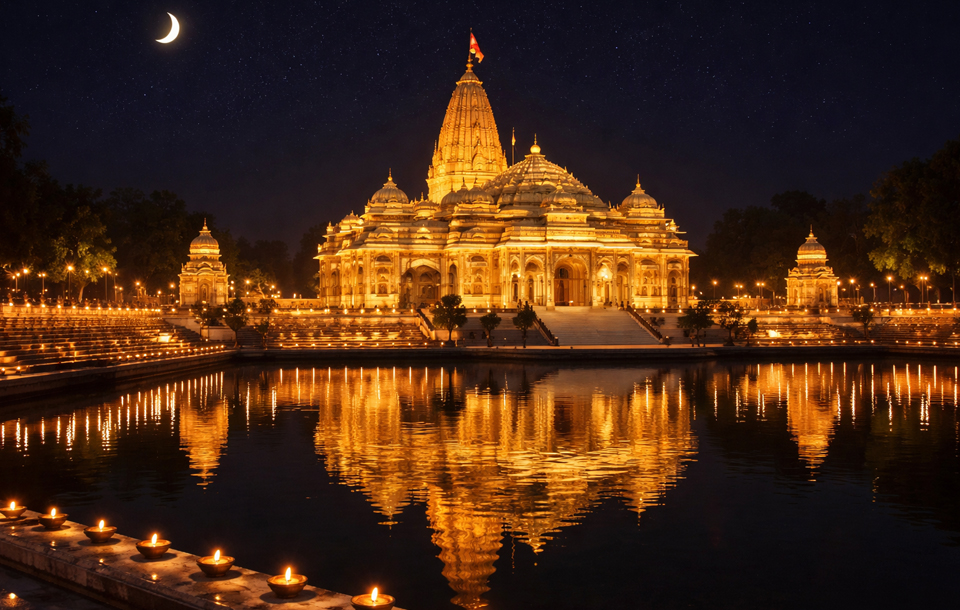
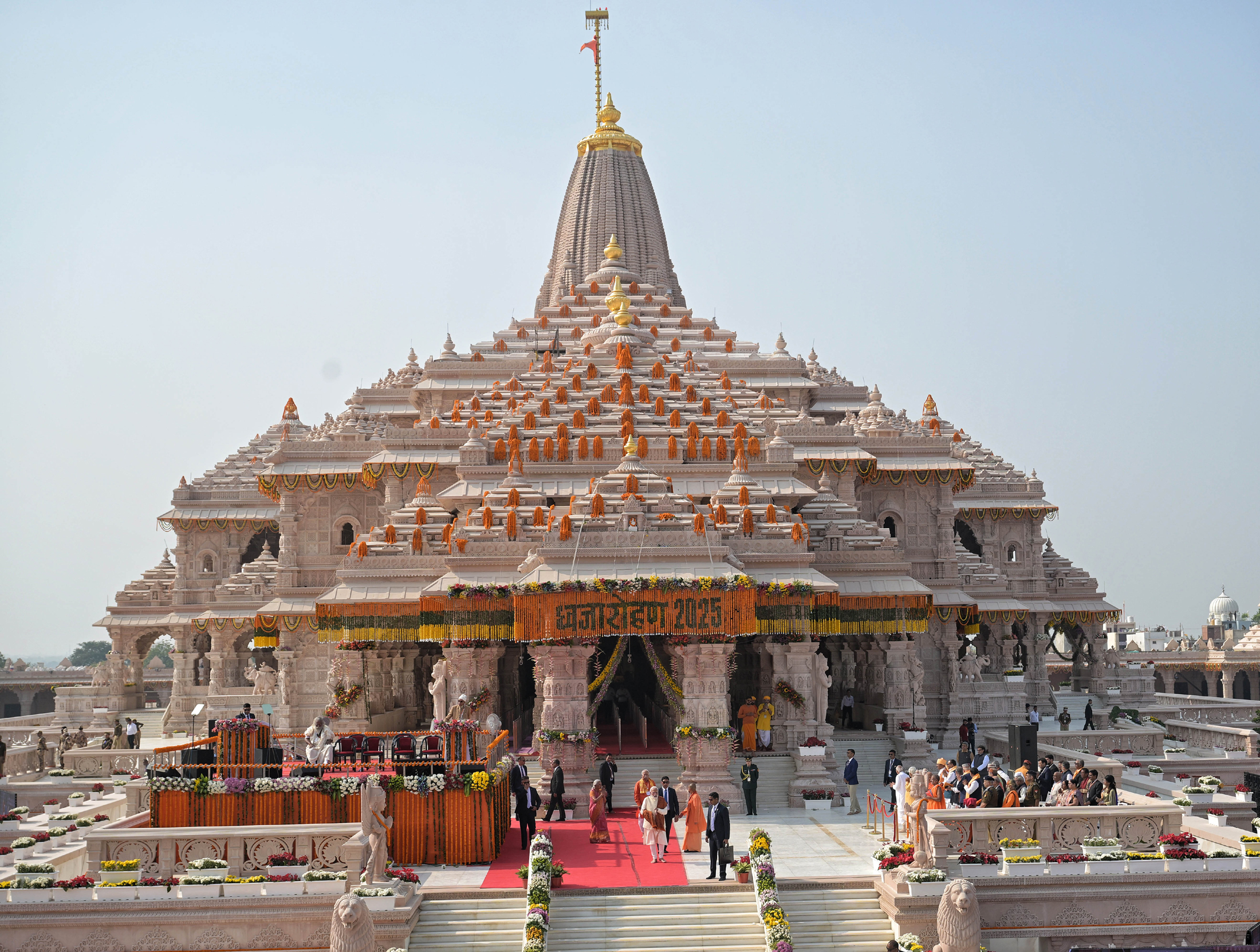
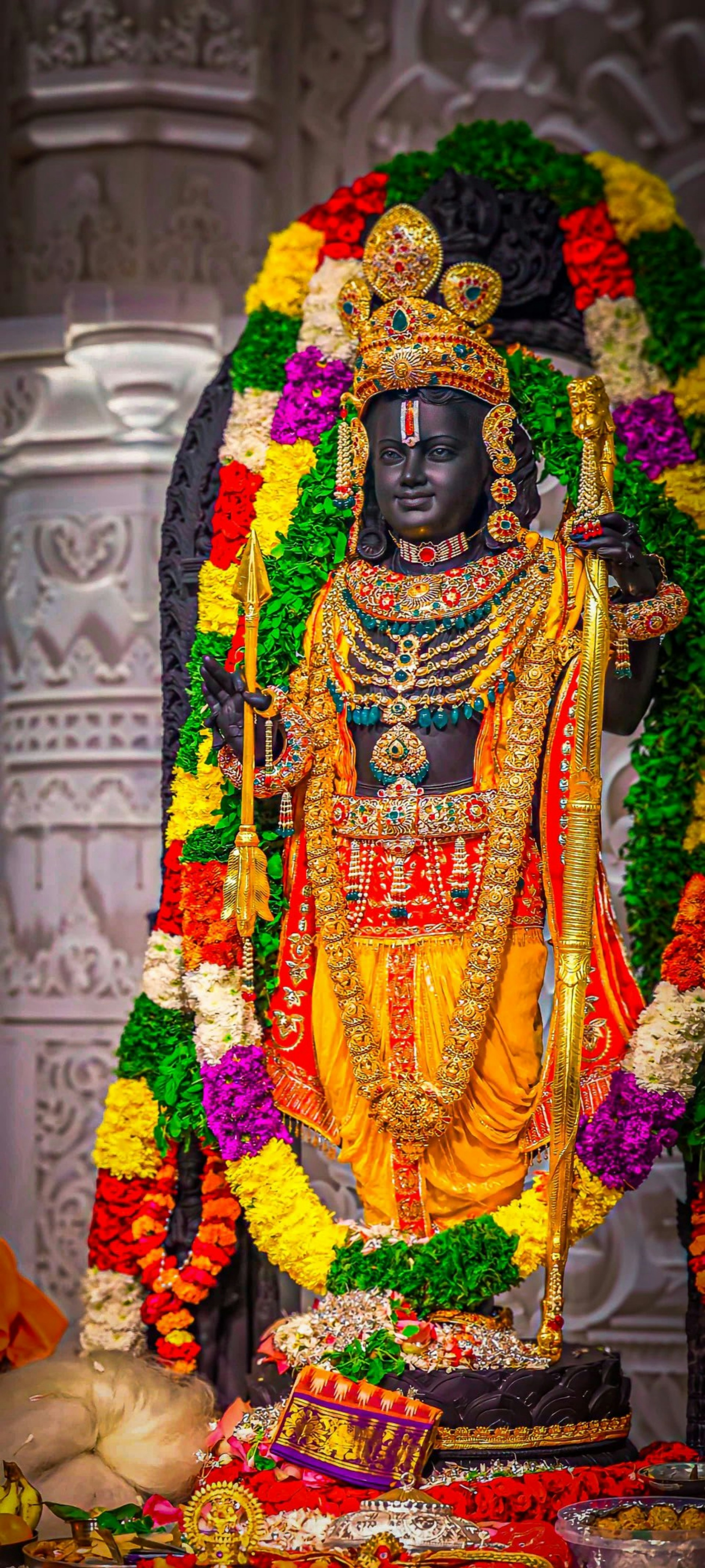
Ayodhya, located in the state of Uttar Pradesh, India, is a city steeped in rich cultural and historical significance. Known primarily as the birthplace of Lord Rama, Ayodhya is a prominent pilgrimage destination for millions of devotees. The city is adorned with ancient temples, ghats, and historical sites that reflect its deep-rooted heritage. The Ram Mandir, a magnificent temple dedicated to Lord Rama, stands as a symbol of faith and devotion, attracting visitors from all over the country and beyond. The temple's architecture is a blend of traditional Indian styles, and its construction has been a focal point of religious and cultural discussions in recent years. Ayodhya is not just a religious site; it is a vibrant city that offers a glimpse into India's spiritual and cultural tapestry, making it a must-visit destination for those seeking to explore the essence of Indian heritage.
Why Ayodhya is popular
Ayodhya's popularity stems from its profound religious significance and its role in Hindu mythology. The Ram Mandir is the centerpiece of this city, representing the ideals of dharma and righteousness. Pilgrims flock to Ayodhya to witness the rituals and ceremonies held at the temple, especially during festivals like Ram Navami, which celebrates the birth of Lord Rama. The city's historical importance is further highlighted by its ancient architecture, including the Hanuman Garhi temple and the Nageshwarnath temple, which add to its allure. Additionally, Ayodhya's serene ghats along the Sarayu River provide a tranquil setting for reflection and spiritual practices. The city's commitment to preserving its heritage while embracing modernity makes it a unique destination for travelers interested in culture, history, and spirituality.
Quick facts
Seasons
Best time to visit + seasonal planning tips.
From October to March, Ayodhya experiences cool and pleasant weather, making it the peak tourist season. This is the best time to visit for sightseeing and participating in various cultural events.
Summer in Ayodhya lasts from April to June, with temperatures soaring above 40°C. This season is less favorable for tourism due to the heat, but early morning or late evening visits can be manageable.
The monsoon season from July to September brings heavy rainfall, which can disrupt travel plans. However, the lush greenery and cooler temperatures can be refreshing.
March to April marks the spring season, where the weather starts to warm up. It is a transitional period before the summer heat sets in.
September to October is considered autumn, where the weather begins to cool down after the monsoon. This is a good time to visit as the city prepares for the festive season.
The festive season in Ayodhya is vibrant and full of life, especially during Diwali and Ram Navami. The city is beautifully decorated, and various cultural programs take place.
The best time to visit Ayodhya is during the winter months from October to March. This period offers pleasant weather, making it ideal for exploring the city's rich cultural and historical sites. Festivals like Diwali, Ram Navami, and Durga Puja are celebrated with great fervor during this time, attracting numerous pilgrims and tourists. The vibrant atmosphere during these festivals enhances the overall experience of visiting Ayodhya.
Places to Visit
Top spots you can add to your itinerary.

Ram Janmabhoomi
The birthplace of Lord Rama, this sacred site is a major pilgrimage destination for Hindus. The temple complex is under construction and is expected to be a significant cultural landmark.
Hanuman Garhi
A prominent temple dedicated to Lord Hanuman, located on a hilltop. Visitors must climb 76 steps to reach the temple, which offers panoramic views of Ayodhya.
Nageshwarnath Temple
Dedicated to Lord Shiva, this ancient temple is believed to have been built by Lord Rama's son, Kush. It is an important pilgrimage site during the month of Shravan.
Kanak Bhawan
A beautiful temple dedicated to Lord Rama and Sita, known for its exquisite architecture and intricate carvings. It is believed to be the wedding gift from Lord Rama's stepmother.
Treta Ke Thakur
An ancient temple believed to be the site where Lord Rama performed the Ashwamedha Yagna. The temple is surrounded by lush greenery and offers a tranquil setting.
Saryu River
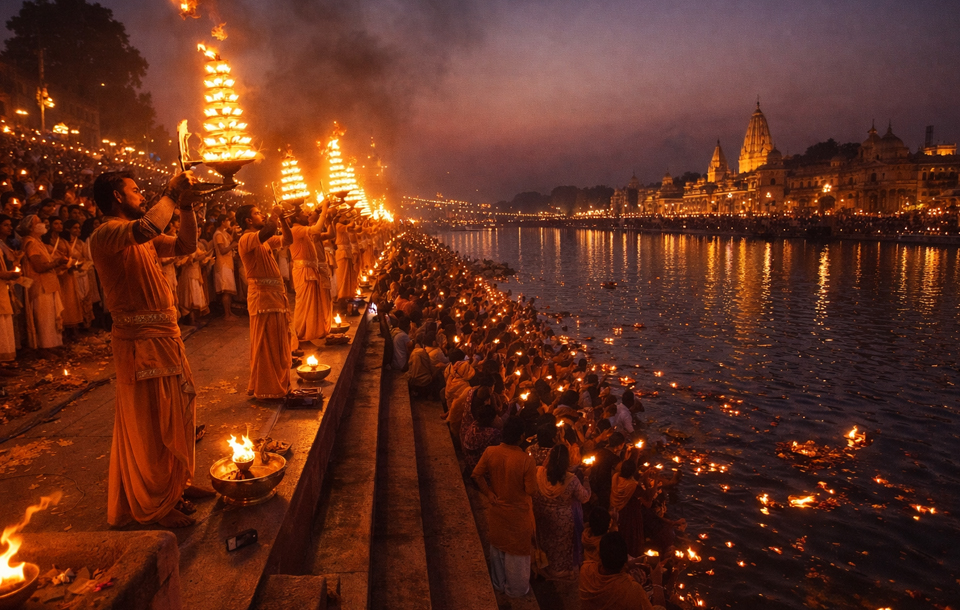
The sacred river that flows through Ayodhya, it is a popular spot for rituals and ceremonies. Visitors can enjoy boat rides and witness the evening aarti.
Ramkot Fort
An ancient fort that offers a glimpse into the historical significance of Ayodhya. The fort is located on a hill and provides stunning views of the surrounding area.
Chhoti Devkali Temple
A temple dedicated to Goddess Durga, known for its vibrant festivals and rituals. It attracts many devotees, especially during Navratri.
Gulab Bari
A beautiful garden and tomb of Nawab Shuja-ud-Daula, it is a serene place to relax and enjoy nature. The garden is adorned with roses and fountains.
Tulsi Smarak Bhawan
A cultural center dedicated to the poet-saint Tulsidas, who wrote the Ramcharitmanas. The center hosts various cultural events and performances.
Sita Ki Rasoi
A historical site believed to be the kitchen of Sita, Lord Rama's wife. It is an important part of Ayodhya's heritage and attracts many visitors.
Bharat Milap Temple
A temple commemorating the reunion of Lord Rama and his brother Bharat. It is an important site during festivals and attracts many devotees.
Kshudra Ram Temple
A lesser-known temple dedicated to Lord Rama, offering a peaceful atmosphere for meditation and prayer. It is surrounded by lush greenery.
Ramayana Museum
A museum dedicated to the epic Ramayana, showcasing artifacts, sculptures, and paintings related to the story of Lord Rama.
Mani Parvat
A hill believed to be the place where Lord Rama's brother, Lakshmana, performed penance. It is a serene spot for meditation and reflection.
Vishnu Hari Temple
An ancient temple dedicated to Lord Vishnu, known for its intricate carvings and peaceful ambiance. It attracts many devotees throughout the year.
Shri Ram Museum
A museum dedicated to the life and teachings of Lord Rama, featuring various exhibits and displays that narrate his story.
Kuber Tila
A hill believed to be the abode of Kuber, the god of wealth. It offers a panoramic view of Ayodhya and is a serene spot for visitors.
Dhanushkoti
A historical site believed to be the place where Lord Rama broke the bow to win Sita's hand in marriage. It is a significant cultural landmark.
Activities
Things to do and suggested experiences.
Ayodhya Heritage Walk
Embark on a guided heritage walk through the ancient city of Ayodhya. Explore the historical sites, temples, and monuments that narrate the rich cultural tapestry of this sacred city. The walk includes visits to the Hanuman Garhi, Kanak Bhawan, and Nageshwarnath Temple, providing insights into their historical significance.
Ram Janmabhoomi Temple Visit
Visit the Ram Janmabhoomi, the birthplace of Lord Rama, which is a significant pilgrimage site for Hindus. Witness the ongoing construction of the grand temple and participate in the spiritual activities that take place here. This visit is a must for anyone looking to understand the religious importance of Ayodhya.
Saryu River Boat Ride
Experience a serene boat ride on the Saryu River, which holds immense religious significance. Enjoy the tranquil views of the ghats and temples lining the riverbanks. This activity is perfect for relaxation and reflection, especially during sunrise or sunset.
Ayodhya Food Tour
Indulge in a culinary journey through Ayodhya's local cuisine. Sample traditional dishes such as 'Chaat', 'Kachori', and 'Lassi' from popular eateries. This food tour not only satisfies your taste buds but also gives you a glimpse into the local culture and lifestyle.
Visit to Treta Ke Thakur Temple
Explore the Treta Ke Thakur Temple, believed to be the site where Lord Rama performed the Ashwamedha Yagna. This temple is less crowded and offers a peaceful atmosphere for prayer and meditation. It’s a perfect spot for those seeking spiritual solace.
Ayodhya Cultural Festival
Plan your visit during the Ayodhya Cultural Festival, which showcases local art, music, and dance. Engage with local artists and enjoy performances that reflect the rich heritage of the region. This festival is a vibrant celebration of Ayodhya's culture.
Explore the Ramkatha Park
Take a leisurely stroll in Ramkatha Park, a beautifully landscaped area that narrates the story of Ramayana through sculptures and installations. It’s an ideal spot for families and those looking to relax amidst nature.
Ayodhya's Night Aarti
Experience the mesmerizing night Aarti at the banks of the Saryu River. The spiritual ambiance, combined with the sound of bells and chanting, creates an unforgettable experience. This is a perfect way to end your day in Ayodhya.
Visit to the Tulsi Smarak Bhawan
Explore the Tulsi Smarak Bhawan, dedicated to the great poet Tulsidas. The center hosts various cultural programs and exhibitions that highlight the literary heritage of Ayodhya. It’s a great place for literature enthusiasts.
Photography Tour of Ayodhya
Join a photography tour that takes you through the most picturesque spots in Ayodhya. Capture the beauty of temples, ghats, and local life. This tour is perfect for both amateur and professional photographers.
Ayodhya's Local Market Exploration
Wander through the bustling local markets of Ayodhya. Discover unique handicrafts, religious artifacts, and local snacks. This exploration gives you a taste of the local lifestyle and shopping experience.
Yoga and Meditation Retreat
Participate in a yoga and meditation retreat in Ayodhya, focusing on spiritual growth and wellness. The serene environment and expert guidance will help you rejuvenate your mind and body.
Tour Packages
Browse packages that include Ayodhya.
Routes
Choose your origin city and open a route to book.
Delhi → Ayodhya
delhi to ayodhya
Open route & book now
gurugram → Ayodhya
gurugram to ayodhya
Open route & book now
Noida → Ayodhya
noida to ayodhya
Open route & book now
Jaipur → Ayodhya
jaipur to ayodhya
Open route & book now
Patna → Ayodhya
patna to ayodhya
Open route & book now
Ranchi → Ayodhya
ranchi to ayodhya
Open route & book now
Agra → Ayodhya
agra to ayodhya
Open route & book now
Indore → Ayodhya
indore to ayodhya
Open route & book now
Bhopal → Ayodhya
bhopal to ayodhya
Open route & book now
Image gallery
Visual inspiration for your trip.
Reviews + FAQs
Trust + answers for SEO and AI discovery.
What is the best time to visit Ayodhya?
The best time to visit Ayodhya is during the winter months from October to March when the weather is pleasant and ideal for sightseeing.
How can I reach Ayodhya?
Ayodhya is well-connected by road and rail. The nearest railway station is Faizabad, which is about 6 km away. You can also hire a taxi or take a bus from major cities like Lucknow and Varanasi.
What are the popular places to visit in Ayodhya?
Some popular places include the Ram Janmabhoomi, Hanuman Garhi, Nageshwarnath Temple, and Kanak Bhawan.
Is Ayodhya safe for tourists?
Yes, Ayodhya is generally safe for tourists. However, it's advisable to stay aware of your surroundings and follow local guidelines.
What cultural events take place in Ayodhya?
Ayodhya hosts several cultural events, especially during festivals like Ram Navami and Diwali, which attract many pilgrims and tourists.
Are there any accommodations available in Ayodhya?
Yes, Ayodhya offers a range of accommodations from budget hotels to guesthouses and dharamshalas for pilgrims.
What is the local cuisine like in Ayodhya?
Ayodhya offers a variety of vegetarian dishes, with local specialties including chaat, kachoris, and sweets like peda and jalebi.
Can I rent a vehicle for local sightseeing in Ayodhya?
Yes, you can rent vehicles like tempo travelers or taxis for local sightseeing. It's advisable to book in advance during peak seasons.
What should I wear while visiting temples in Ayodhya?
Visitors are advised to wear modest clothing while visiting temples. Traditional Indian attire is often preferred.
How can I participate in the local festivals?
You can participate in local festivals by joining the celebrations at temples and engaging with the local community. It's a great way to experience the culture.